

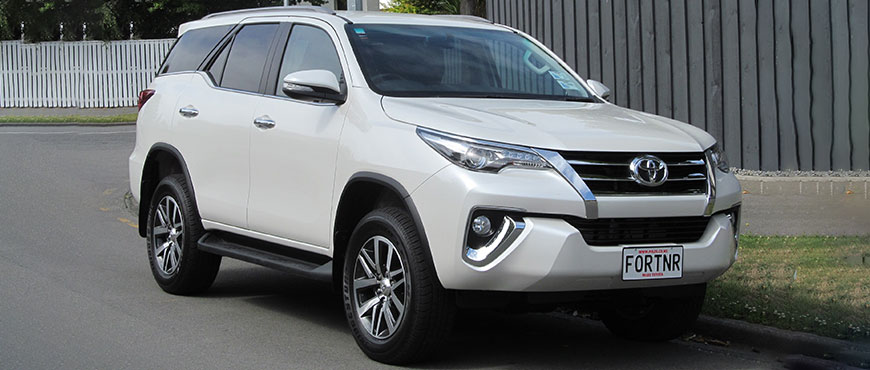
The cost of owning vehicles has skyrocketed over the past few years. Not only are the materials themselves becoming more expensive, but regulatory measures enforced by governments are also raising their costs. Couple that with maintenance and fuel prices, and owning a vehicle suddenly becomes more of a dream than a reality. To avoid such exorbitant payments, many people prefer two other options to buying a vehicle outright. Thus, the car rental vs. lease debate arose.
Furthermore, both routes allow people to enjoy the perks of car ownership without complete ownership. Additionally, each contract is designed differently to suit some people more than others. Hence, understanding the nuances of the car rental vs. lease argument helps people choose the correct option. Moreover, factors such as budget, lifestyle, and driving habits help determine whether a path is suitable for a person.
People often confuse the two possibilities, sometimes even using them interchangeably. They think that because both involve paying for the use of a vehicle over time, they are identical. However, that is not the case. To understand the car rental vs. lease arguments, one needs to distinguish between the two. Additionally, their durations, costs, flexibility, and responsibilities differ. Thus, it offers different advantages and challenges. First, it is essential to develop a basic comprehension. At a basic level, the difference between car rental and lease lies in time commitment and purpose.
Both options eliminate the need for ownership. Yet, they serve very different types of drivers.
In the car rental vs. lease debate, many people prefer car rental because it offers a vehicle for a short, predefined period. Furthermore, rental services are commonly used when flexibility is of utmost importance. Used for travel, temporary transportation, or trips, it has plenty of admirers.
First, select the car to rent. If available, a rental duration will be set, with payments made daily or weekly. Then, once the agreed-upon period ends, the vehicle is to be returned. Additionally, factors like maintenance, insurance (in many cases), and registration are usually handled by the rental company.
Here is a group of people for whom this arrangement is the best. However, these are just a few examples; other groups can benefit as well.
There are many benefits to choosing this option over the other, making it an appealing prospect. Moreover, they are ideal for unpredictable schedules and occasional driving.
1. Flexibility: They allow people to choose a vehicle only when they need it. Hence, they are not bogged down by any long-term obligations.
2. Variety: It is easy to switch between different types of vehicles in this agreement. Moreover, if they do not like a car, they can rent a new one. A person can drive a sedan, an SUV, or a luxury car depending on their needs.
3. Minimal Responsibility: Most rental agreements include maintenance and insurance handled by the company. Hence, renters are free from the hassle of owning a vehicle.
4. Ideal for Occasional Use: For people who do not drive regularly, the car rental vs. lease debate is straightforward. Renting a vehicle is more practical than leasing or owning it.
On the other hand, leasing refers to a long-term arrangement that resembles ownership. Moreover, it offers the perks of having a vehicle without the hassle of ownership. Hence, making it the right option in the car rental vs. lease debate for many people.
The best way to describe leasing a vehicle is to understand that people are paying for depreciation. Furthermore, people agree to use a new car for a fixed period and pay monthly instalments. These periods often range from 24 to 48 months, though this depends on the lessee. Additionally, the leasing contract usually includes a mileage limit and specific maintenance requirements. Finally, prices are based on how much the vehicle’s value is expected to decline over the lease term. Once the lease’s over, the lessee has three options.
The car rental vs. lease debate requires a thorough understanding of the advantages and disadvantages of the latter. This helps a person decide whether they are willing to enter into a long-term commitment.
The decision between car rental vs. leasing becomes clear when the characteristics of the two are compared. This helps determine whether they align with the driver’s requirements.
1. Duration: Rentals last days, weeks, or even months. Meanwhile, leases from previous several years.
2. Cost Structure: Rentals charge daily or weekly rates. On the other hand, leases involve monthly payments and an upfront fee.
3. Flexibility: Rentals are the most flexible vehicle ownership option. On the contrary, leases demand a long-term commitment.
4. Usage Limits: Many rental agreements include flexible mileage policies. However, leases enforce a strict mileage policy.
Now that we’re aware of the fundamentals of the car rental vs. lease debate, let’s look at whom they suit best. Although other factors may make this decision slightly more complicated.
1. Frequent Travellers: This group generally views renting as the better choice. People in these situations often pay only when they need vehicles and avoid long-term commitments.
2. Daily Commuters: Here, leasing makes more sense. People in this category have a regular and predictable pattern. Hence, a long-term agreement is more suitable for them.
3. Business Use: Many large businesses lease vehicles to maintain a modern fleet while managing cash flow efficiently.
4. Urban Residents: For those living in a city or driving occasionally, a short-term car rental better meets their needs. People here often use public transport and avoid driving due to heavy traffic.
All in all, travelling with your friends and family on such journeys is one of the most joyful experiences. Furthermore, the memories made on these trips last a lifetime and give birth to all kinds of stories. Hence, to make the most of these occasions, it’s best to create an effective outline and follow it.
Leasing involves paying a monthly fee to use a vehicle for a fixed period, with mileage limits. Additionally, it comes with the option to return or purchase the car at the end.
Lower monthly payments and newer vehicles are pros. Meanwhile, mileage limits and lack of ownership are cons.
Flexibility, minimal responsibility, and access to different vehicles are key benefits.
Rentals are cheaper for short-term use. On the other hand, leasing is more economical for long-term driving.

30C / II - 24th Street D.H.A Phase II Extension Phase 2 Commercial Area, Karachi, Sindh
Rentals@deinfa.com
+92 331 3334632
+92 321 8291537
© 2026. All Rights Reserved by Deinfa. | Developed by: Digital Eggheads.

Starting from five vehicles and growing to a fleet of over 500, Deinfa has become a renowned name in the car rental industry.