

Today’s increasingly connected world has brought many benefits. Now, people are closer than ever before. Additionally, global information has become more accessible, leading to a substantial increase in travel. One such form of it is intercity travel. Over the past few decades, it has become an integral part of modern life.
Whether for work, education, leisure, or visiting family, it has become essential for many people. Moreover, it helps connect people, cultures, and economies. Hence, governments and private entities provide multiple transport options today. Each offers varying levels of cost, comfort, and environmental impact. Thus, choosing the right option may not seem as easy as it appears.
Before we dive into the intricacies of such conveyance, let’s first define what it is. By definition, it refers to transportation between two or more cities. Usually, it is undertaken for medium- to long-distance travel. Furthermore, unlike intracity travel, which can be done by bus, metro, or taxi, commuting between cities is different. It involves moving from one urban area to another by train, bus, car, or plane. Additionally, it plays a crucial role in tourism, commerce, and personal mobility. The following are some examples of these instances:
The logical follow-up question is, ‘What happened in the last few decades that made it so important?’ The answers lie less with the mode of transportation and more with how the world itself has evolved. Today’s fast-paced world rewards those who are willing to work hard and take risks above all else.
Moreover, the improved infrastructure, digital booking platforms, and diverse transportation options have made traveling between cities faster and more accessible. Hence, it creates the ideal situation for people to commute between cities. However, it is essential to ensure that this practice remains affordable, comfortable, and environmentally responsible. Here are some key benefits of intercity travel:
Now that we have underscored its importance, let’s look at how to execute it. The advancement of infrastructure and technology has given people multiple options. That said, the right mode of transport depends on distance, budget, time, and personal preferences. That’s why, to make an informed decision, travellers should be aware of all feasible options, including the following.
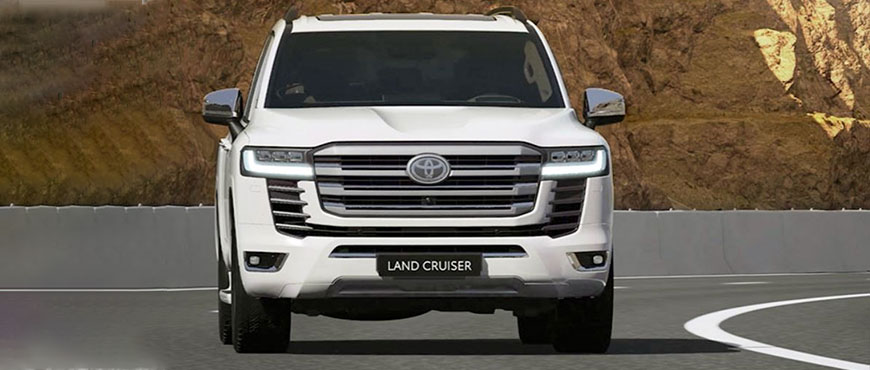
1. Travelling by Car: Inarguably, the most popular mode of commuting. The rise in private vehicle ownership is, in itself, an indication of people’s attitude towards it. Moreover, it serves as the most flexible and popular choice. Hence, making it ideal for short to medium distances. Lastly, it is the perfect option for scenic routes, weekend getaways, and destinations with limited public transport.
Advantages
Challenges
2. Travelling by Train: Often termed as the most reliable and comfortable option for many people, this mode is time-tested. Not only does it transport a great many people at once, but it also offers relatively more space than cars. Thus, making it the better option – particularly for long-distance trips. Additionally, modern electric trains cover long distances in significantly less time, substantially increasing their appeal. Thus, making it the best mode of transportation for intercity travel for many people.
Advantages
Challenges
3. Travelling by Bus: Inarguably, the most inexpensive means of conveyance, they are a cost-effective option. Moreover, their size accommodates multiple passengers, which can help more extroverted people make new connections.
Furthermore, it is ideal for people on tight budgets, including students, recent graduates, and new professionals. Hence, making it an invaluable option for many people. Moreover, modern buses offer reclining seats and other onboard facilities that significantly improve the travelling experience.
Advantages
Challenges
4. Travelling by Air: On the other hand, this is inarguably the quickest and most expensive means of conveyance in the world. They can cover several thousand kilometers in a few hours. Additionally, they are equipped with modern features that make commuting easier and more enjoyable. Furthermore, there is no better option for long-distance voyages. However, its prices are significantly high, making it an unaffordable option for many people.
On the other hand, leasing refers to a long-term arrangement that resembles ownership. Moreover, it offers the perks of having a vehicle without the hassle of ownership. Hence, making it the right option in the car rental vs. lease debate for many people.
Advantages
Challenges
For many people, the cost of commuting between cities is the most crucial factor to consider. Expenses here typically include the following:
That’s why budget travelers usually prefer buses or trains. Meanwhile, professionals prioritize flights for their efficiency. On the other hand, group travel between cities is often undertaken in cars because of their cost-effectiveness and flexibility.
The decision between car rental vs. leasing becomes clear when the characteristics of the two are compared. This helps determine whether they align with the driver’s requirements.
1. Weekend Getaways
2. Business Travel
3. Family Travel
4. Solo Travel
Regardless of the mode of transportation, a poorly planned trip is likely to lead to fatigue and annoyance. Hence, it is necessary to plan and consider all possible hurdles. That said, all these factors are evaluated through the lens of affordability, comfort, and efficiency.
1. Book in Advance: Many people who prefer spontaneity plan to address things as they come up. However, they risk missing out when the booking is complete. Moreover, early booking often comes with discounts and better seat availability.
2. Check Travel Duration: To determine whether a transportation method is efficient, compare the total travel time. Additionally, waiting, transfers, and rest breaks are important considerations.
3. Pack Smart: Always carry certain essential items when travelling. These include water, snacks, chargers, and important documents.
4. Monitor Weather and Traffic: Weather conditions and traffic updates can significantly affect travel plans.
All in all, intercity travel is a reality everyone will have to contend with for the foreseeable future. That’s why learning about different means of transportation, their advantages, challenges, and best practices is essential in today’s world. Not only will it give people an edge, but it will also help them avoid unnecessary headaches associated with such travel.
It refers to travel between two or more cities by car, train, bus, or plane.
Yes, it offers flexibility and convenience, particularly for short- to medium-distance trips.
Using buses, trains, and shared car rides is a cost-effective way to travel between cities.
Trains and buses are considered the most eco-friendly travelling options due to their lower per-passenger emissions.

30C / II - 24th Street D.H.A Phase II Extension Phase 2 Commercial Area, Karachi, Sindh
Rentals@deinfa.com
+92 331 3334632
+92 321 8291537
© 2026. All Rights Reserved by Deinfa. | Developed by: Digital Eggheads.

Starting from five vehicles and growing to a fleet of over 500, Deinfa has become a renowned name in the car rental industry.