

Something shifts inside you when you look at how fast the auto world changes. Roads feel different, sounds different, and even the idea of a car feels different now. The EV vs hybrid conversation sits at the center of this shift because it reflects how drivers think about comfort, responsibility, and the future. People want cleaner cities, calmer drives, and technology that supports their daily rhythm. And every new launch shows how quickly this space grows.
So let’s explore this change with clear and honest insight. As we walk through the difference between hybrid cars and electric cars, you will see how these two paths shape modern driving in real and meaningful ways.
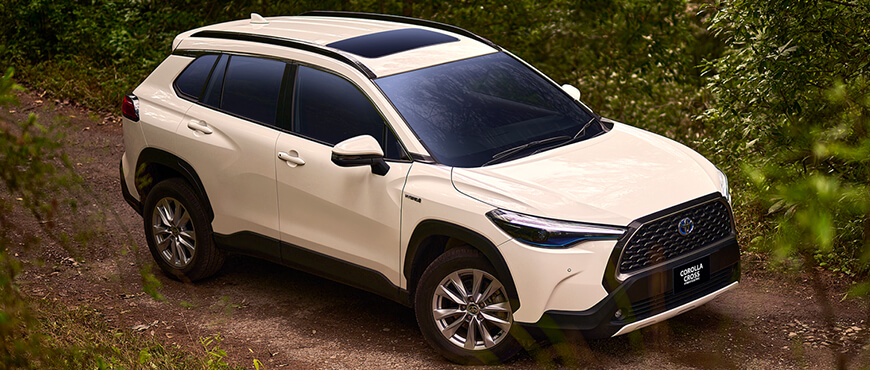
A hybrid car operates on a petrol engine and an electric motor. The car switches between both systems based on speed and conditions. You save fuel, you get smoother stops and starts, and you enjoy easy driving in traffic. You never need to charge it because the car charges itself when it brakes and when the engine runs. This setup makes people explore hybrid versus electric cars when they want efficiency without lifestyle changes.
These choices shape the EV vs hybrid decision for drivers who want flexibility.
Electric cars run only on battery power. There is no petrol engine, no fuel tank, and no exhaust. You charge the car at home or at a public station. Drivers who compare EV vs hybrid often notice that EVs feel cleaner, quicker, and quieter.
Moreover, they offer instant torque, so the car jumps forward as soon as you press the pedal. This simple drive makes electric vs hybrid cars a common question for people who want a modern upgrade.
The EV vs hybrid debate constantly circles back to the same factors: power source, range, running cost, and daily convenience. So let’s break it down with clear points under simple H3s.
Hybrids use petrol plus electricity. EVs use electricity only. This difference shapes running costs and long-term use.
Hybrids drive long distances without worry because petrol stations are everywhere. EVs depend on charging access, which matters a lot if you travel often.
Hybrids cost less upfront. EVs save more money over time because they skip fuel and complex engine parts. This makes electric vs hybrid vehicles a long-term financial question, not a short-term one.
Hybrids reduce fuel use but still burn petrol. EVs remove tailpipe emissions completely. Many people search hybrid vs electric cars pros and cons because they want a balance between cost and climate responsibility.
These points make EV vs hybrid a fair comparison because hybrids offer comfort and savings without changing your daily habits.
If you drive short city routes, an EV gives you low cost and smooth performance. If your routine includes long trips or you don’t have a charging point near your home, a hybrid makes more sense. When people search electric vs hybrid vehicles, they usually want one answer. Yet the right choice depends on driving pattern, charging access, budget, and how much you want to cut fuel from your life.
If you want a simple start, a hybrid helps you move toward cleaner travel without full commitment. If you want a complete shift away from fuel, an EV makes that possible.

30C / II - 24th Street D.H.A Phase II Extension Phase 2 Commercial Area, Karachi, Sindh
Rentals@deinfa.com
+92 331 3334632
+92 321 8291537
© 2026. All Rights Reserved by Deinfa. | Developed by: Digital Eggheads.

Starting from five vehicles and growing to a fleet of over 1,000, Deinfa has become a renowned name in the car rental industry.